Expert Cornhole Strategies & Gear Reviews | From Toss Techniques to Tournament Organization
Cornhole is more than just a backyard game it's a sport that combines skill, strategy, and the right equipment. Whether you are a beginner or a seasoned player, understanding the best cornhole boards, mastering toss techniques, and organizing tournaments can elevate your cornhole experience. This comprehensive guide covers everything you need to know to play, improve, and compete in cornhole.
Cornhole has grown in popularity over the years, attracting casual players and competitive athletes alike. Its simple setup a board and a set of bags makes it accessible, but the right strategy and gear can make a huge difference in your performance. Knowing the rules, mastering your throw, and investing in quality boards and bags are key to success.
Choosing the Best Cornhole Boards
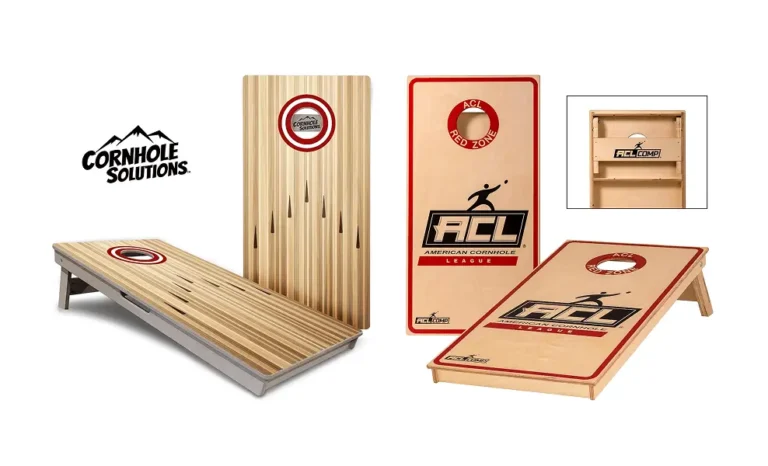
Selecting the right cornhole board is critical for both casual and competitive play. High-quality boards provide a smooth surface, accurate bounce, and durability for long-term use. When reviewing boards, focus on:
Material Quality: Premium wood or composite boards offer better consistency and longevity.
Surface Finish: A well-sealed, smooth surface ensures bags slide evenly and improves your toss accuracy.
Portability: Consider foldable or lightweight boards if you plan to travel or host outdoor games.
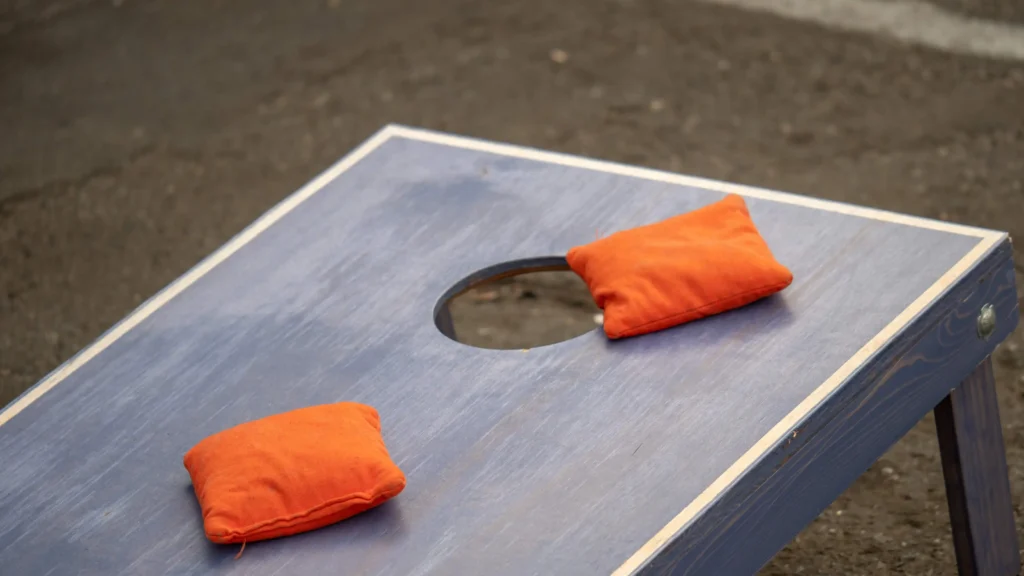
Official Size & Regulations: Regulation boards are 48 inches long and 24 inches wide with a 6-inch hole positioned 9 inches from the top.
Investing in a durable, well-built board ensures a better playing experience and enhances your skills faster.
Selecting Cornhole Bags for Maximum Performance
Cornhole bags come in various materials, fillings, and stitching. Choosing the right bag affects your throw, accuracy, and scoring potential. Key considerations include:
Bag Filling: Corn-filled bags have traditional weight and feel, while synthetic fillings offer consistency and weather resistance.
Bag Cover Material: Durable fabric like duck cloth or canvas improves grip and longevity.
Weight & Size: Standard bags weigh around 16 ounces and measure 6x6 inches. Consistency in weight ensures reliable throws.
Break-In Methods: New bags may be stiff; learning proper break-in techniques helps them perform optimally.
Regular maintenance, including cleaning and drying bags, extends their life and maintains consistent gameplay.
Mastering Cornhole Toss Techniques
The toss is the heart of cornhole strategy. Proper technique can dramatically improve your accuracy and scoring potential. Focus on the following:
Flat Bag Throw
Keep the bag level during the toss for a straight, accurate flight.
Maintain a consistent stance and arm motion to reduce wobble.
Airmail Shot
An advanced technique to aim directly for the hole without hitting the board.
Requires precision and consistent practice.
Understanding Biomechanics
Foot placement, arm swing, and release point all impact your toss.
Practicing a repeatable motion increases your consistency in competitive play.
By combining these techniques with a deep understanding of your board and bag, you can gain a strategic advantage.
Painting and Maintaining Cornhole Boards
Preparation: Sand the surface to remove rough patches.
Primer & Paint: Use outdoor-grade primer and paint for a smooth, long-lasting finish.
Sealing: Seal the painted board with a clear coat to prevent damage from weather or frequent play.
Maintaining boards, including cleaning after outdoor use, ensures long-term performance and keeps your setup tournament-ready.
Organizing a Cornhole Tournament
Set Tournament Rules: Define scoring, match duration, and elimination rounds.
Prepare Equipment: Ensure enough boards and bags for participants.
Registration & Brackets: Keep track of players and create a clear match schedule.
Venue Setup: Arrange boards with official distances and provide adequate lighting if outdoors.
Awards & Recognition: Offer prizes or certificates to motivate players and enhance the competitive experience.
A well-organized tournament encourages participation and elevates the enjoyment of the game.
Must-Have Cornhole Accessories
Scoreboards: Track points easily during competitive matches.
LED Lights & Stickers: Improve visibility and customize boards for tournaments.
Bag Storage & Cleaning Kits: Keep bags in top condition and ready for play.
These small additions can greatly improve the overall cornhole experience.
Common Mistakes to Avoid
Using inconsistent bags or worn-out boards.
Ignoring proper stance and toss mechanics.
Skipping board maintenance or cleaning.
Failing to follow tournament rules.
By being aware of these pitfalls, you can improve your skills and ensure a fair, enjoyable game.
Key Takeaways
Invest in high-quality boards and bags for consistent play.
Master toss techniques, including flat throws and airmail shots.
Maintain boards and bags for longevity and peak performance.
Plan and execute tournaments with clear rules and proper setup.
Enhance gameplay with accessories that add convenience and style.
Cornhole is a game of precision, strategy, and practice. By combining the right gear with proper technique and organization, you can enjoy better performance, competitive wins, and a more engaging experience for players of all levels.
Frequently Asked Questions About Cornhole
Q1: What is the standard size of a cornhole board?
A: Regulation cornhole boards are 48 inches long and 24 inches wide, with a 6-inch hole positioned 9 inches from the top of the board.
Q2: How many bags are used in a standard cornhole game?
A: Each player or team uses four bags, making a total of eight bags in a standard game. The bags typically weigh 16 ounces each and measure 6x6 inches.
Q3: How do I maintain my cornhole bags for long-term use?
A: Clean bags regularly with a damp cloth, allow them to dry completely, and store them in a dry area. Breaking in new bags before play improves performance, and avoiding exposure to excessive moisture will extend their lifespan.
Conclusion
From choosing the perfect boards and bags to mastering toss techniques and organizing tournaments, becoming a cornhole expert requires dedication and the right tools. This guide provides everything you need to improve your game, impress your friends, and host memorable tournaments. Whether playing casually in your backyard or competing in local leagues, these strategies and gear recommendations will elevate your cornhole skills to the next level.

 Visit For More Info On From Toss Techniques to Tournament Organization